BRAND STRATEGY

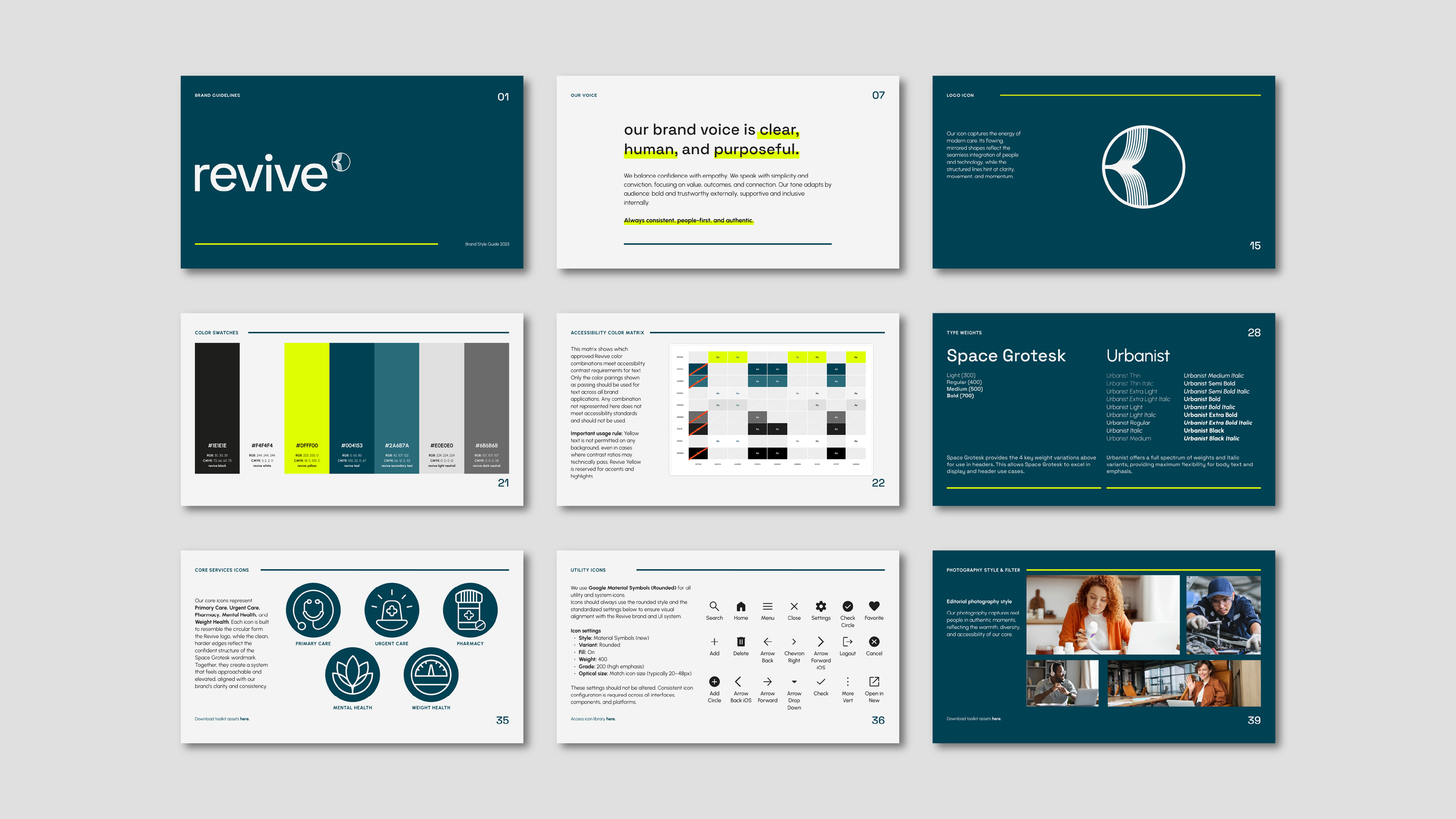
revive visual design system

Before this system, every asset started from scratch — inconsistent, slow, and disconnected from the story Revive is trying to tell. This solves that.

  • the problem

    No defined visual strategy — every asset built from scratch

  • my role

    Sole designer, strategist, and system architect

  • Embedded across

    Marketing, sales, and customer success

THE STRATEGIC FOUNDATION

Starting from Revive's mission, one movement became clear: from fragmentation to centralized care. The healthcare system is broken because it's fragmented — point solutions that don't talk to each other, benefits that go unused, members who can't find their way in. Revive's entire value proposition is that it fixes this by centralizing care into one coordinated system.

That movement — fragmentation to centralization — became the foundation for every visual decision in the system. Not a mood board, not a style preference. A strategic argument made visible.

A strategy only scales if it becomes visible. So the question became: how do we make centralized care look centralized?

five elements. one language.

Every graphic element in the system was chosen because it visually encodes a specific concept in the Revive story. These aren't decorative shapes — each one carries meaning that reinforces what Revive is and does.

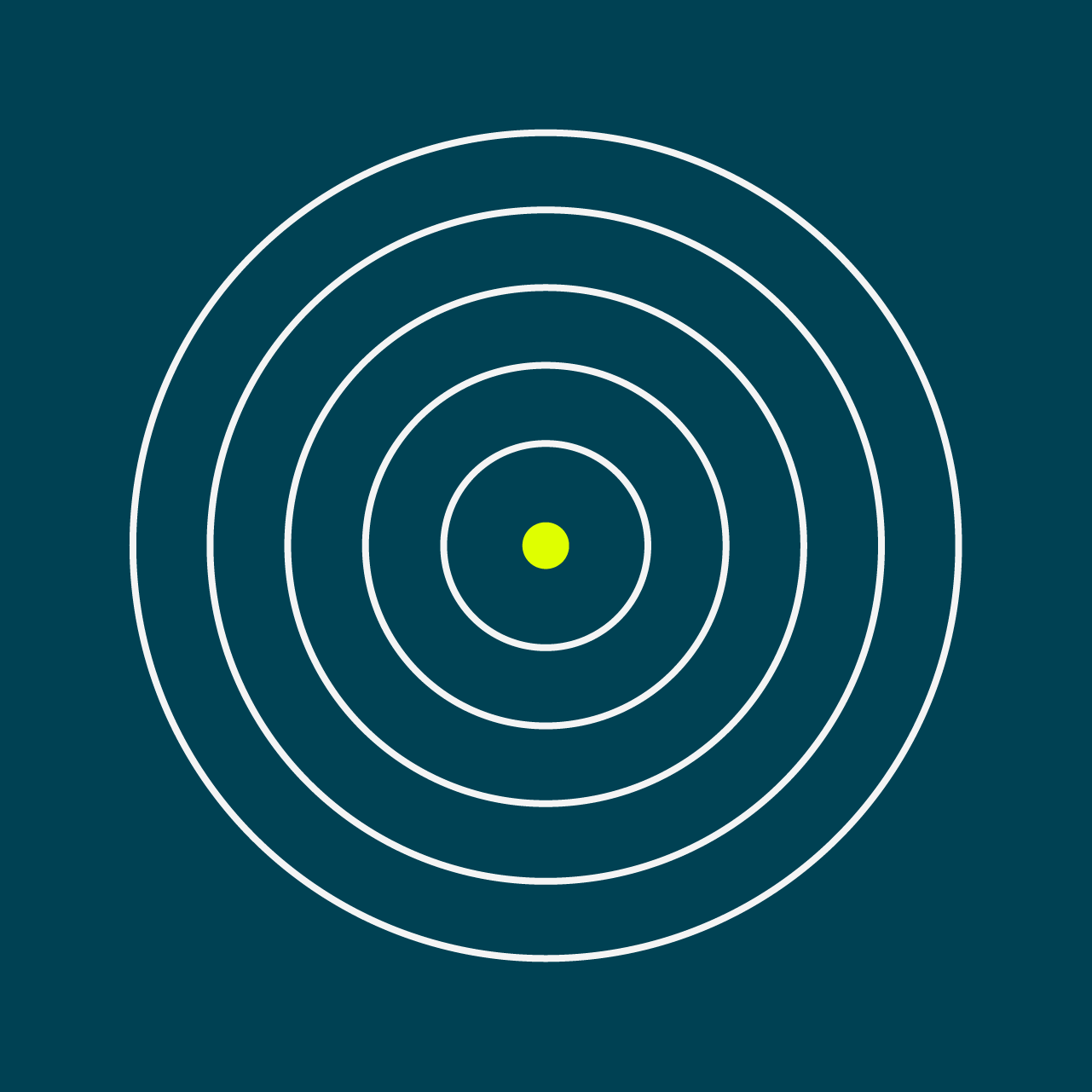
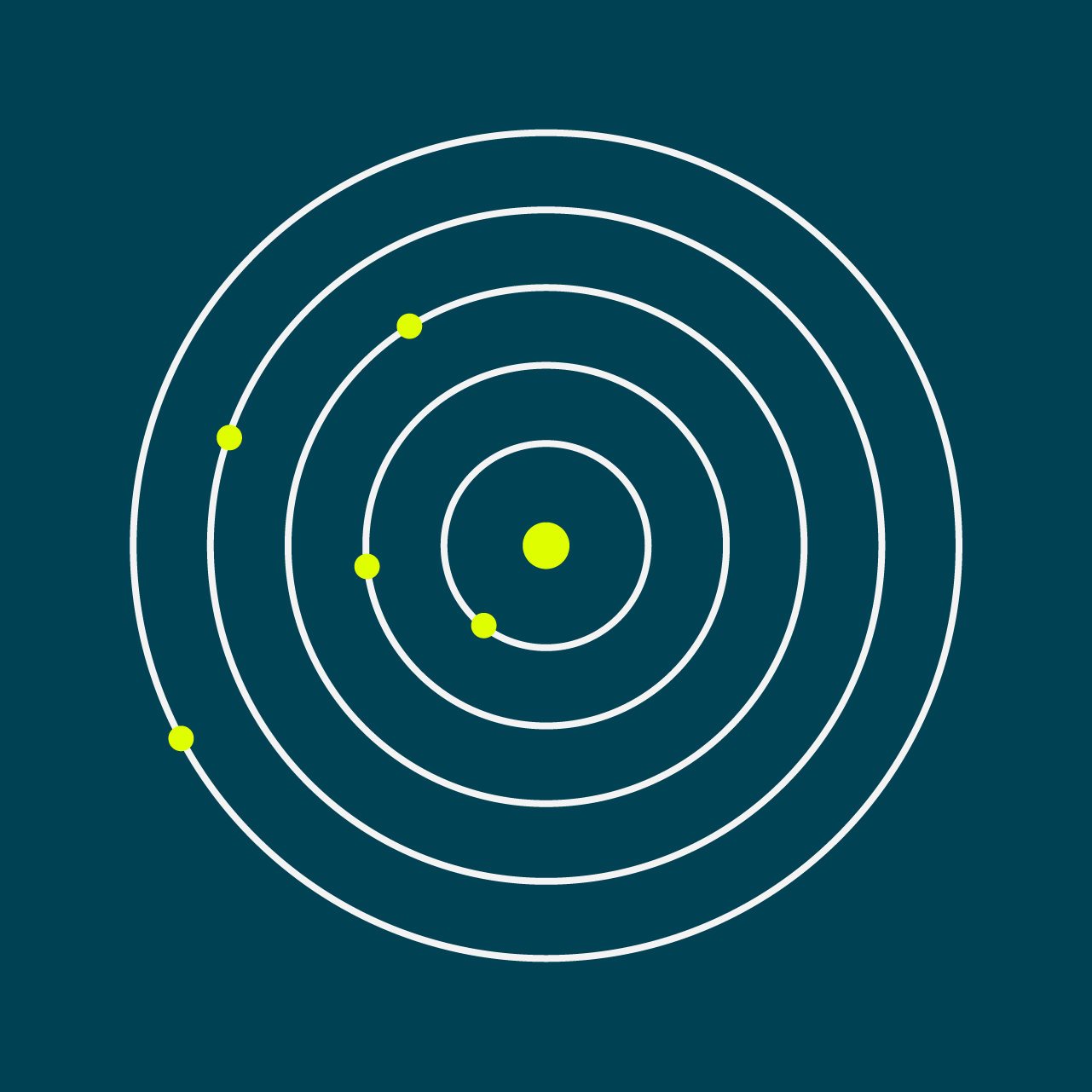
  • concentric circles

    Centralized access and care

  • segmented circles

    Fragmentation vs coordination

  • PIlls

    Services within the system

  • Orbit lines

    Continuity and connection

  • Yellow lines

    Impact, emphasis, hierarchy

Each element was chosen because its visual form does the communicating before the viewer reads anything. A circle radiating from a single filled center looks centralized. A circle broken apart looks fragmented. The segmented circle and the concentric circles are the same shape — one resolved, one not. That's not coincidence. The system was built so that the visual logic mirrors the strategic argument. Which means the next question wasn't what to design — it was when to use each element, and why.

The Visual Story Arc

Every asset Revive produces exists at a specific moment in the brand narrative. The Visual Story Arc maps those moments — and defines which elements appear at each stage and why. The elements are the vocabulary. The arc is the grammar.

  • Stage 1: The Problem

    Healthcare is fragmented. Employers are stuck. Employees aren't getting the care they need.

    The circle is broken apart — visually showing fragmentation before Revive enters the picture. No concentric circles yet because the solution hasn't arrived

  • Stage 2: The Tension

    Movement without coordination. Things are in motion but nothing is connecting.

    Orbit lines appear but don't converge — showing activity without a center. The system is trying to form but hasn't yet.

  • Stage 3: The System

    Revive organizes care. One front door. One coordinated system. This is where the brand promise becomes visible.

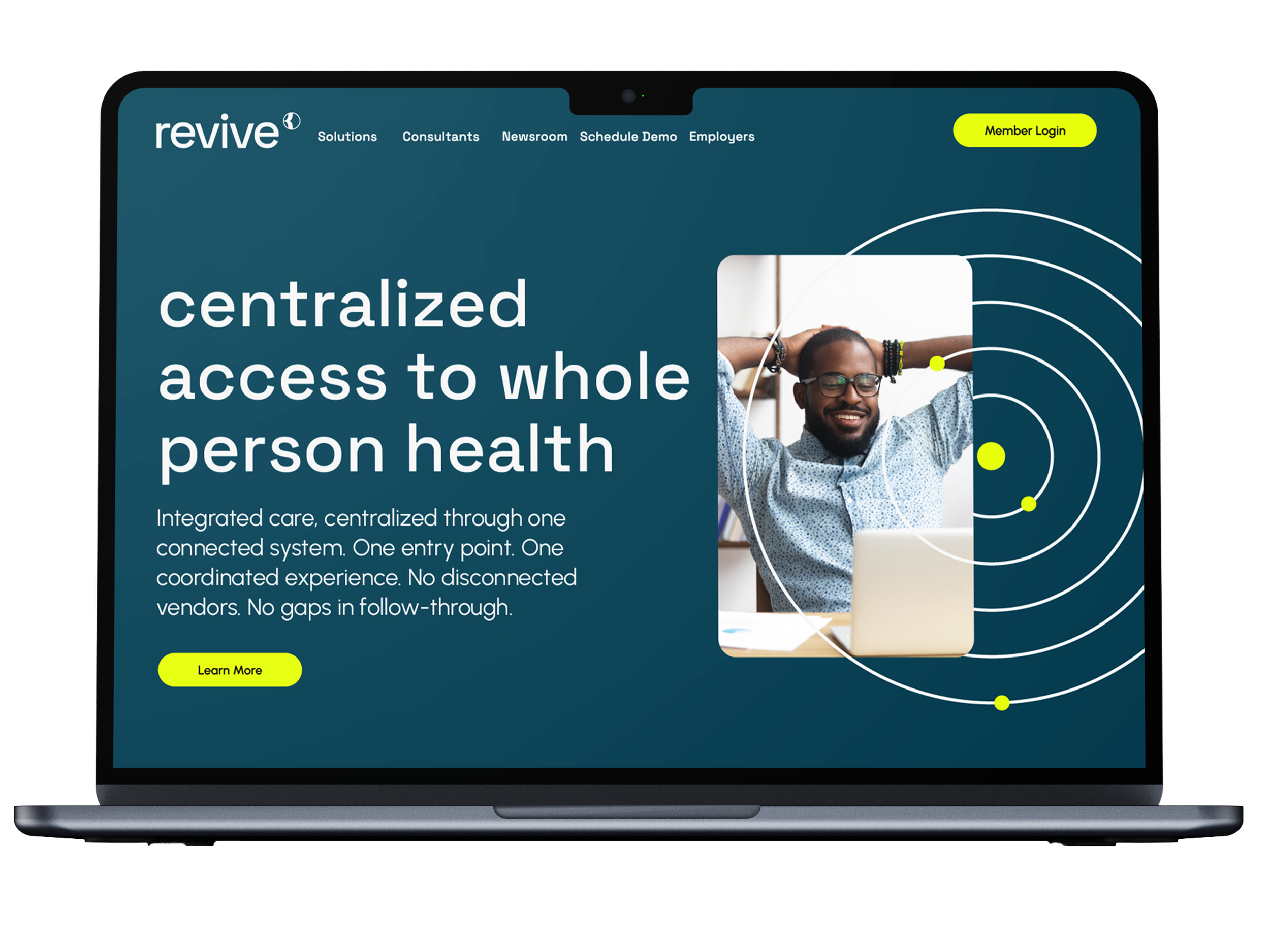
    The concentric circles appear fully formed — center filled, system complete. Pills cluster around it showing services organized within one system.

  • Stage 4: The Outcome

    Measurable impact. The system is working and the numbers prove it.

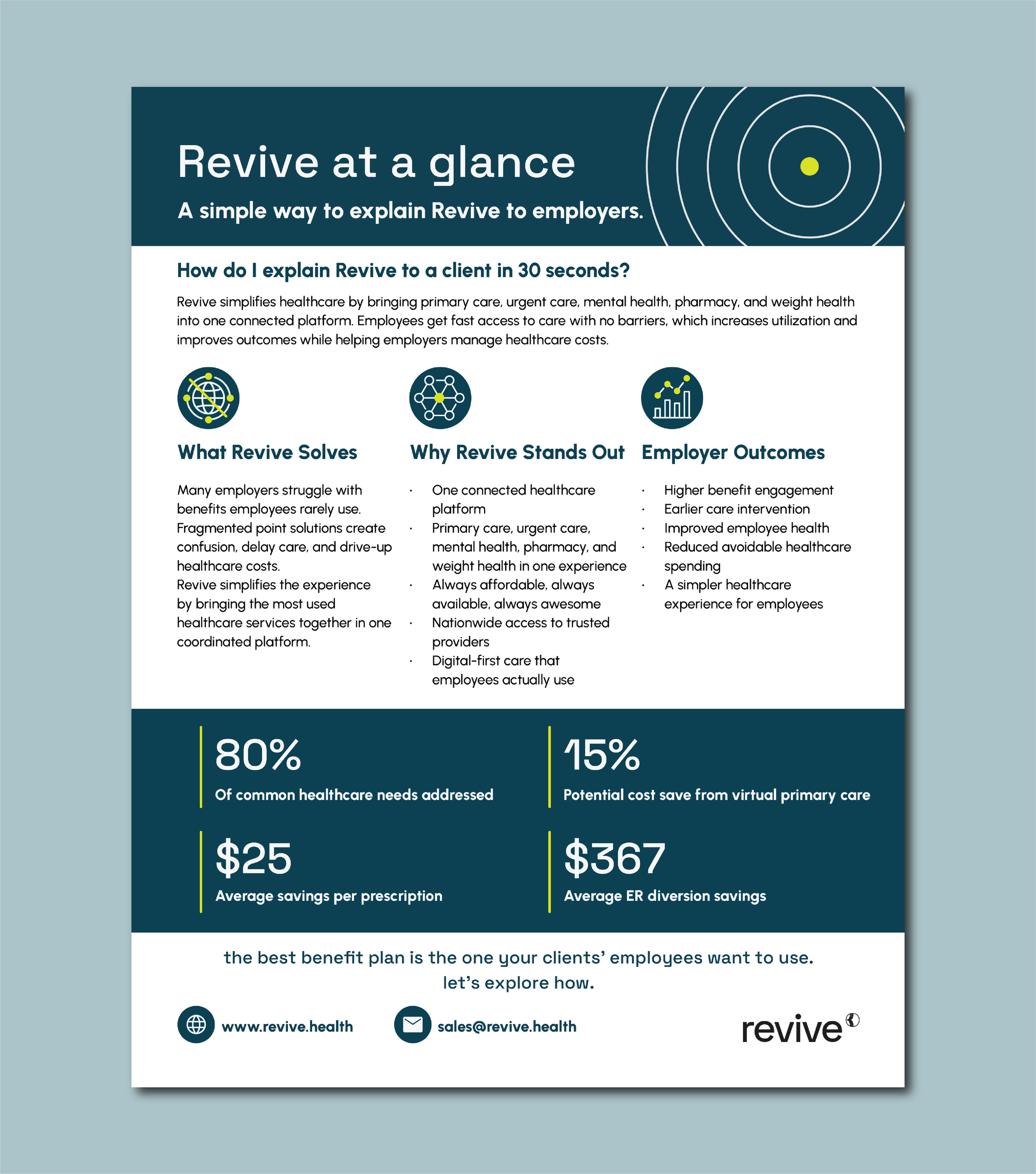
    Yellow lines sit above the most important numbers — directing the eye immediately to the evidence. The graphic system steps back and lets the results speak.

  • Persistent state: The Proof Loop

    The system is always working. Steady, confident, always on.

    Both centralization and continuity together — the system is fully formed and constantly in motion. Used across always-on channels like social and member communications.

The system in action

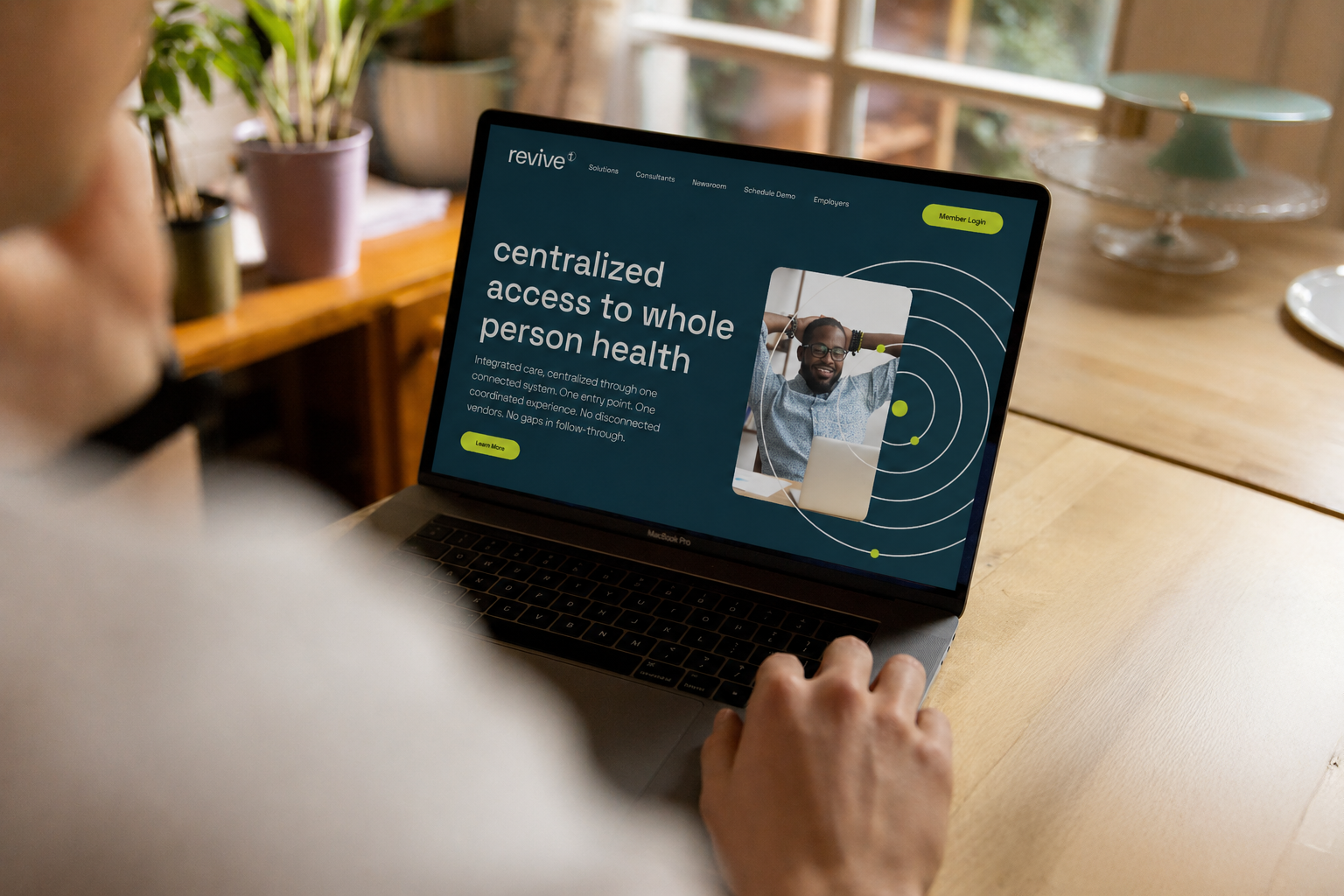
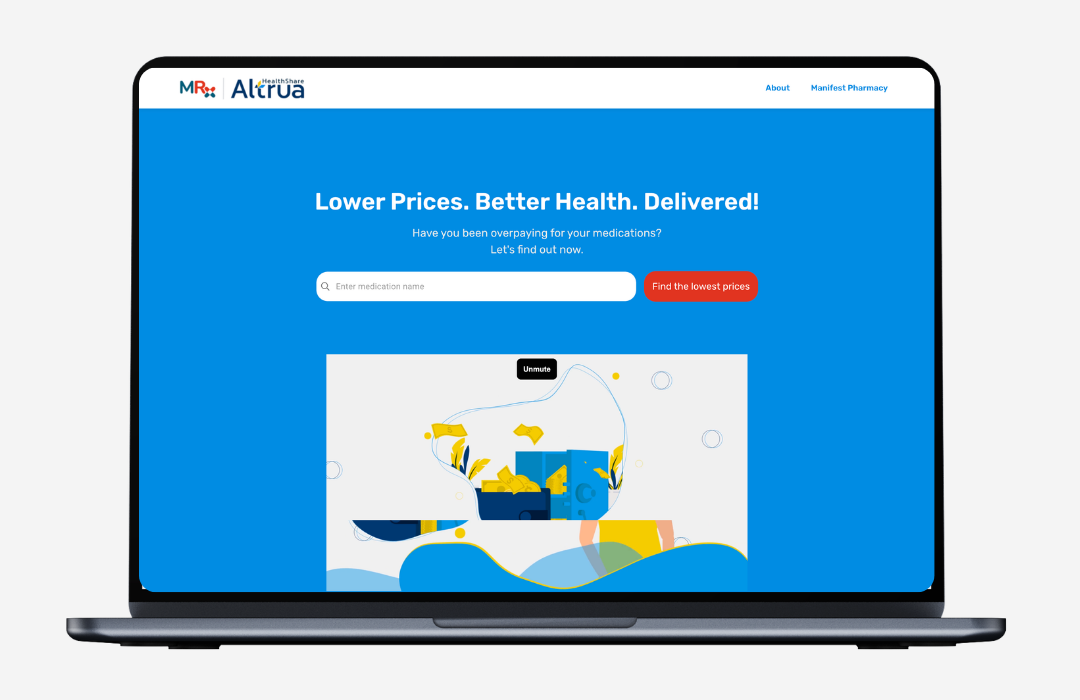
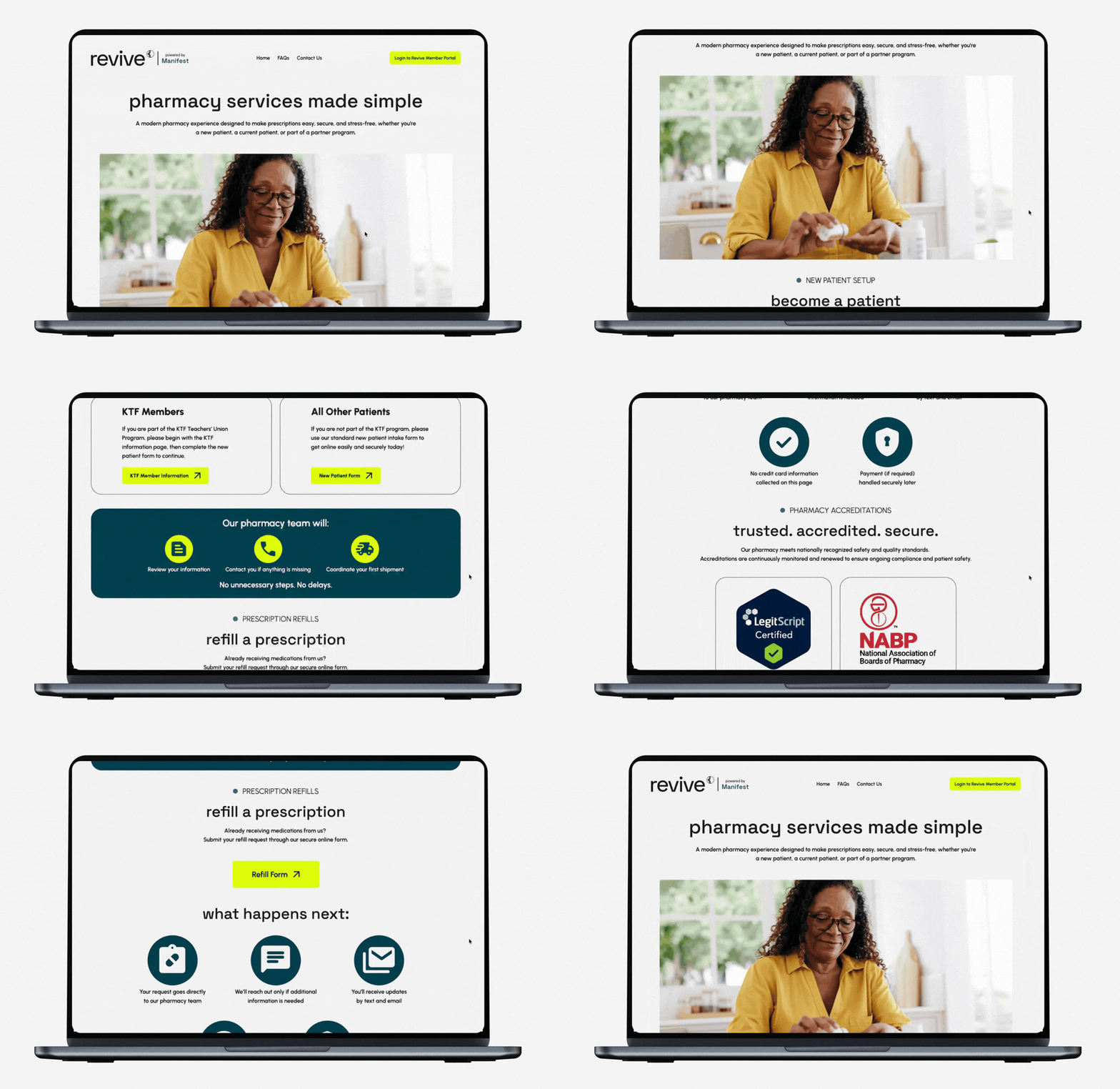
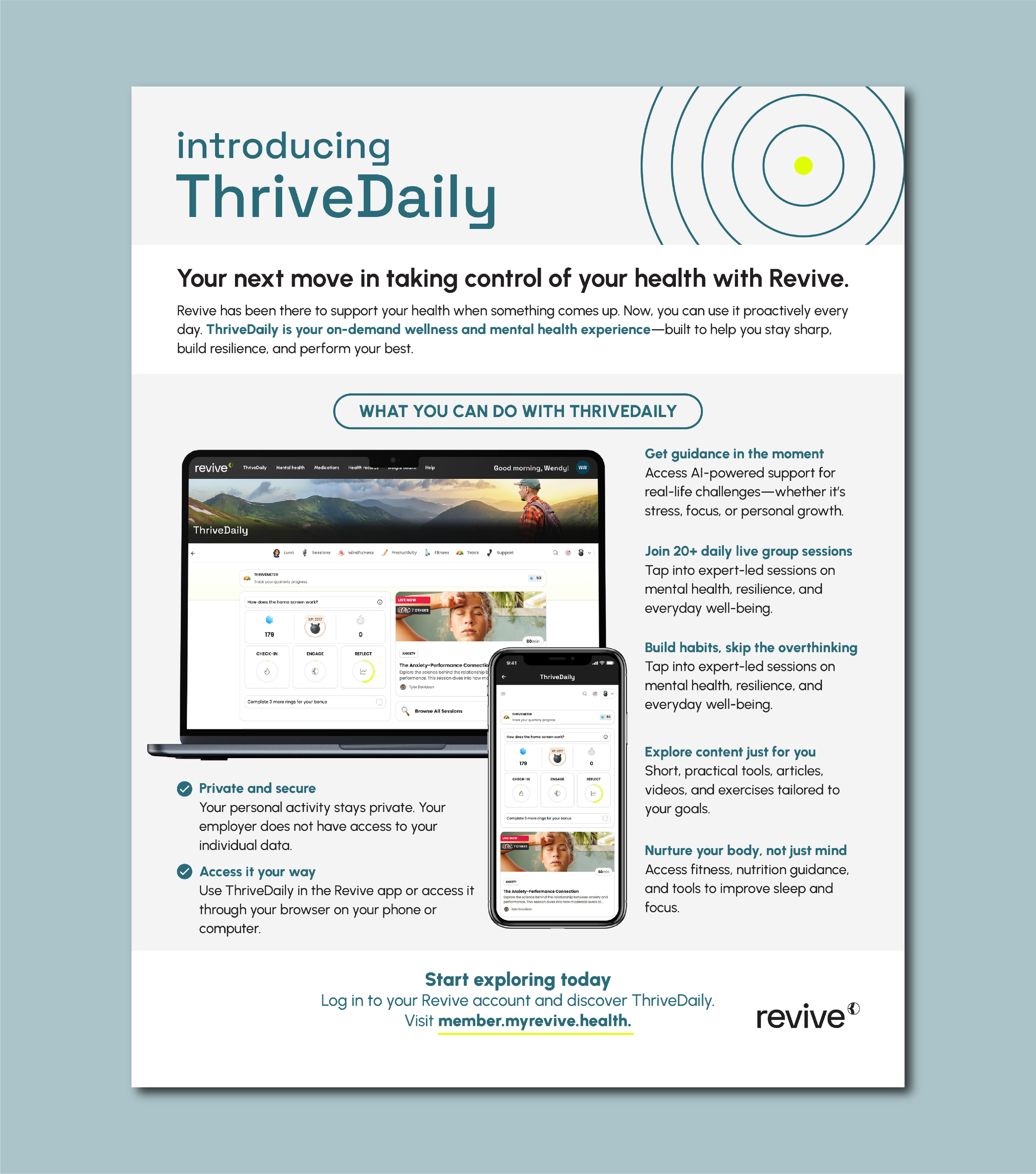
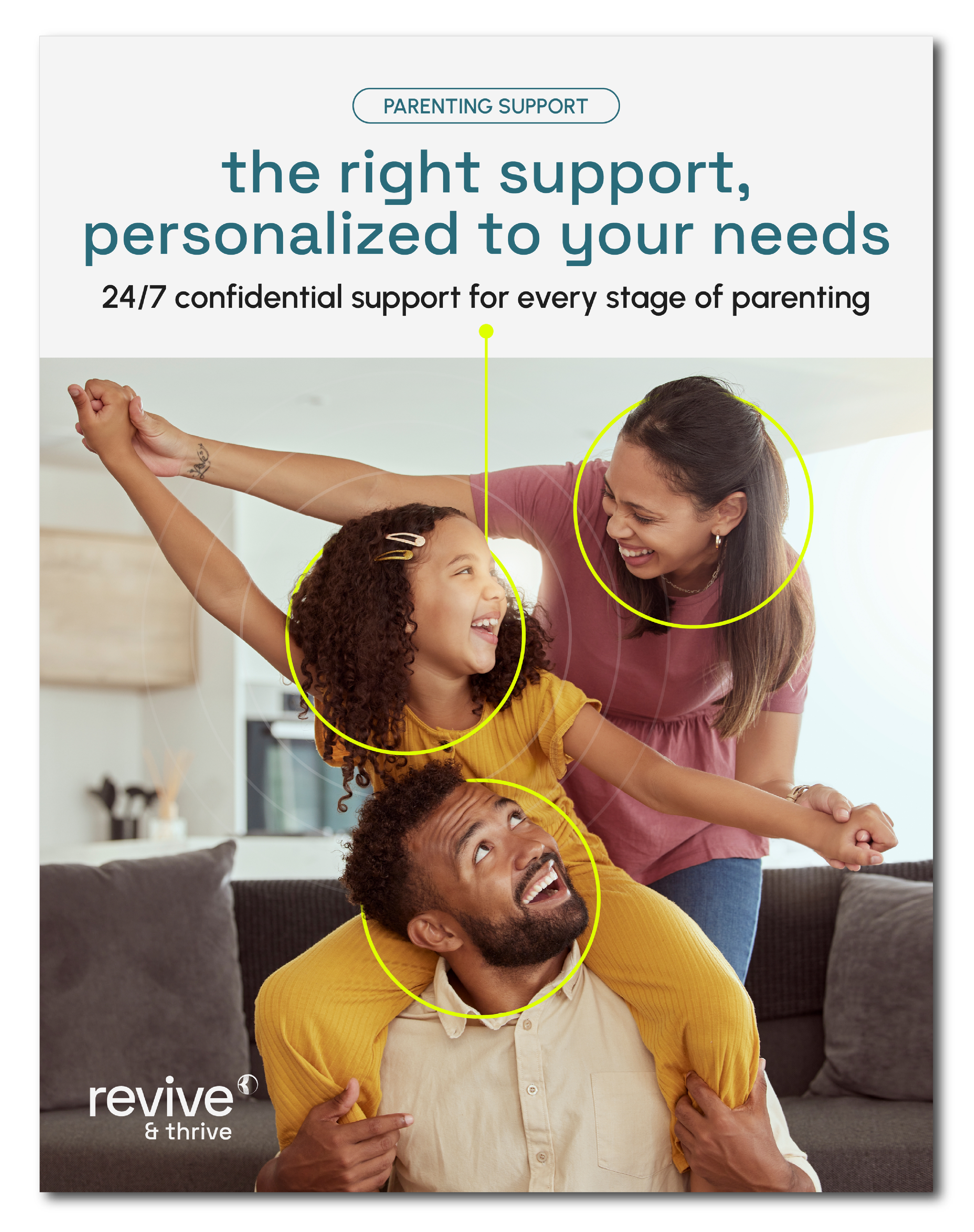
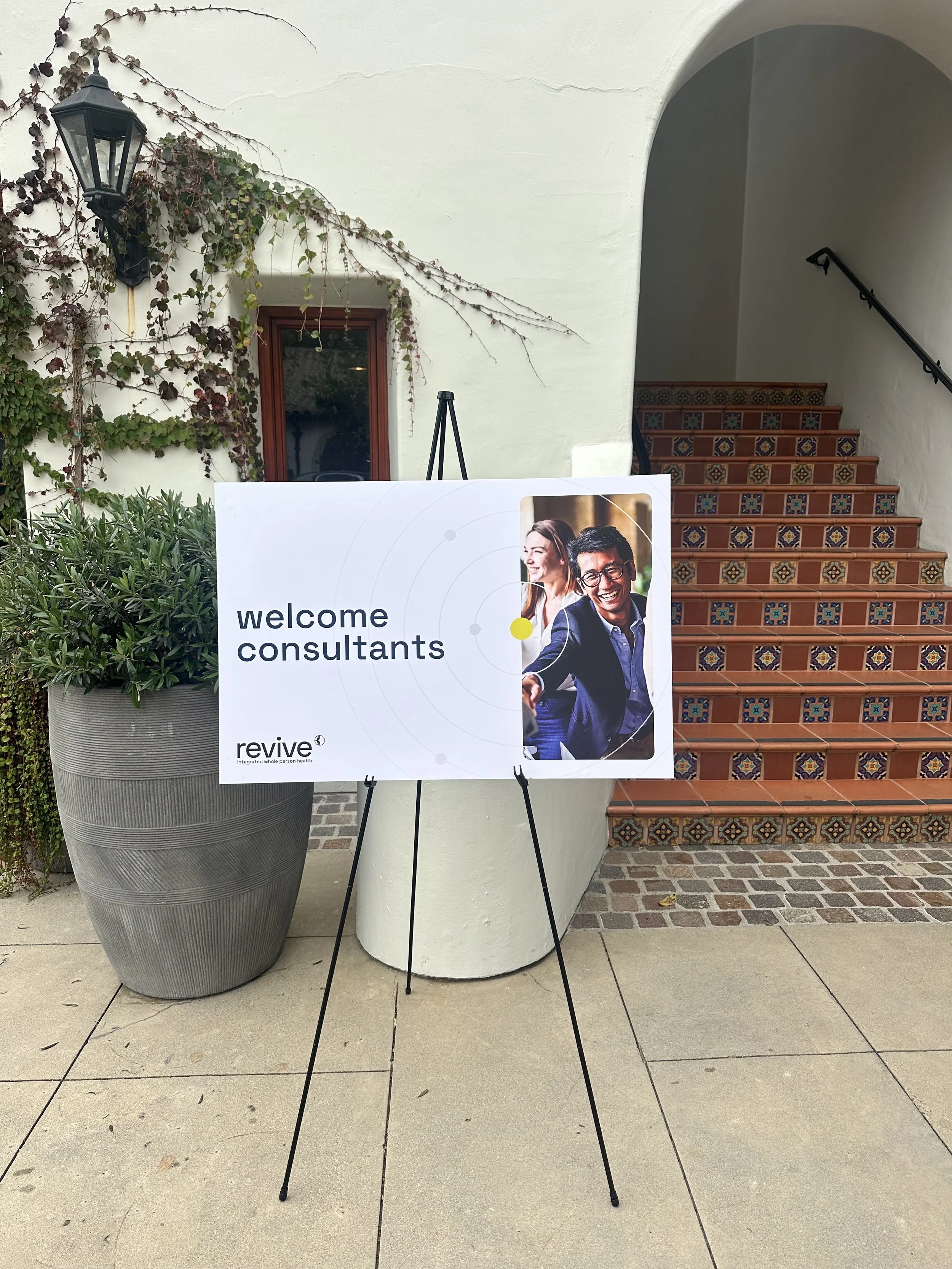
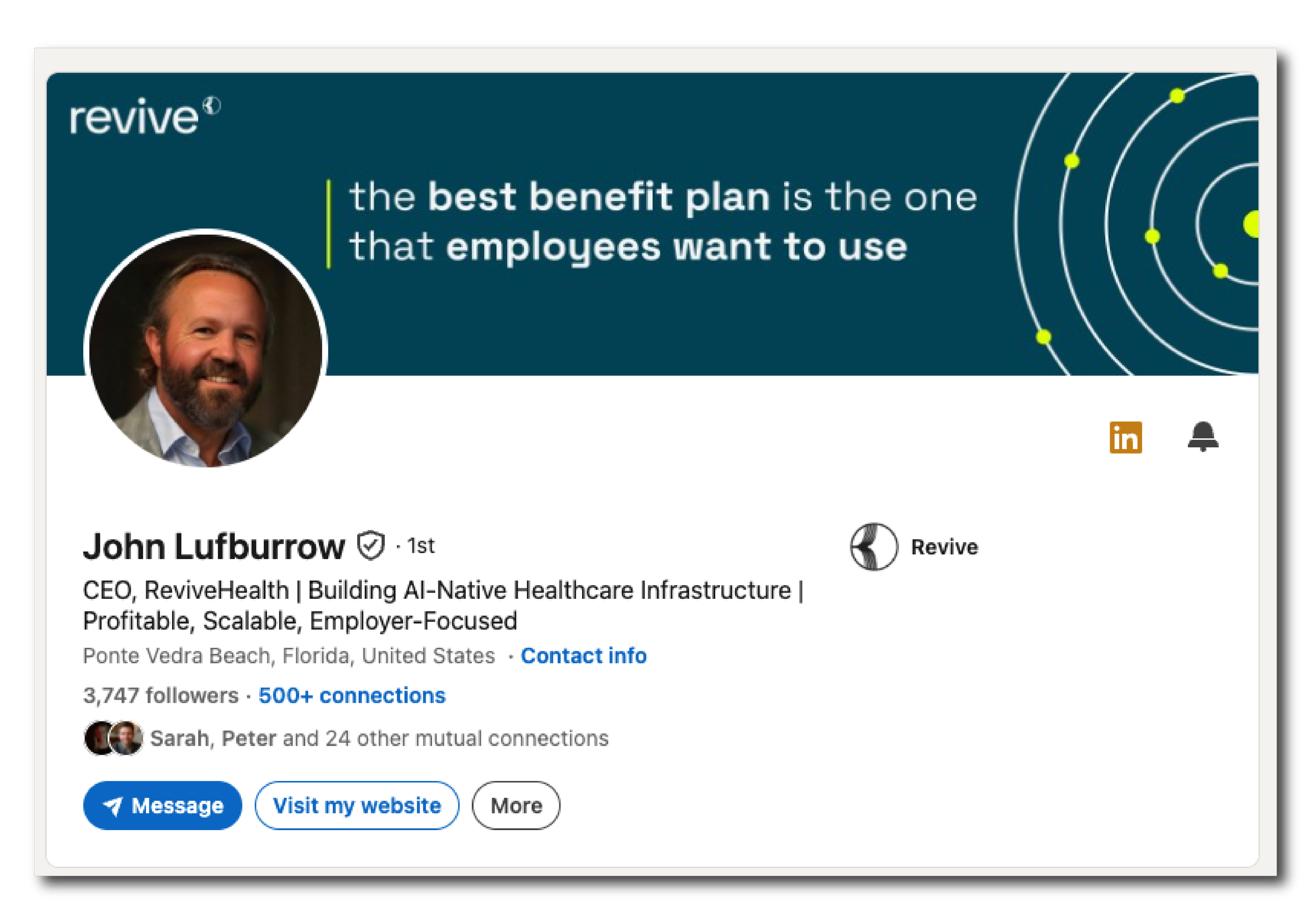
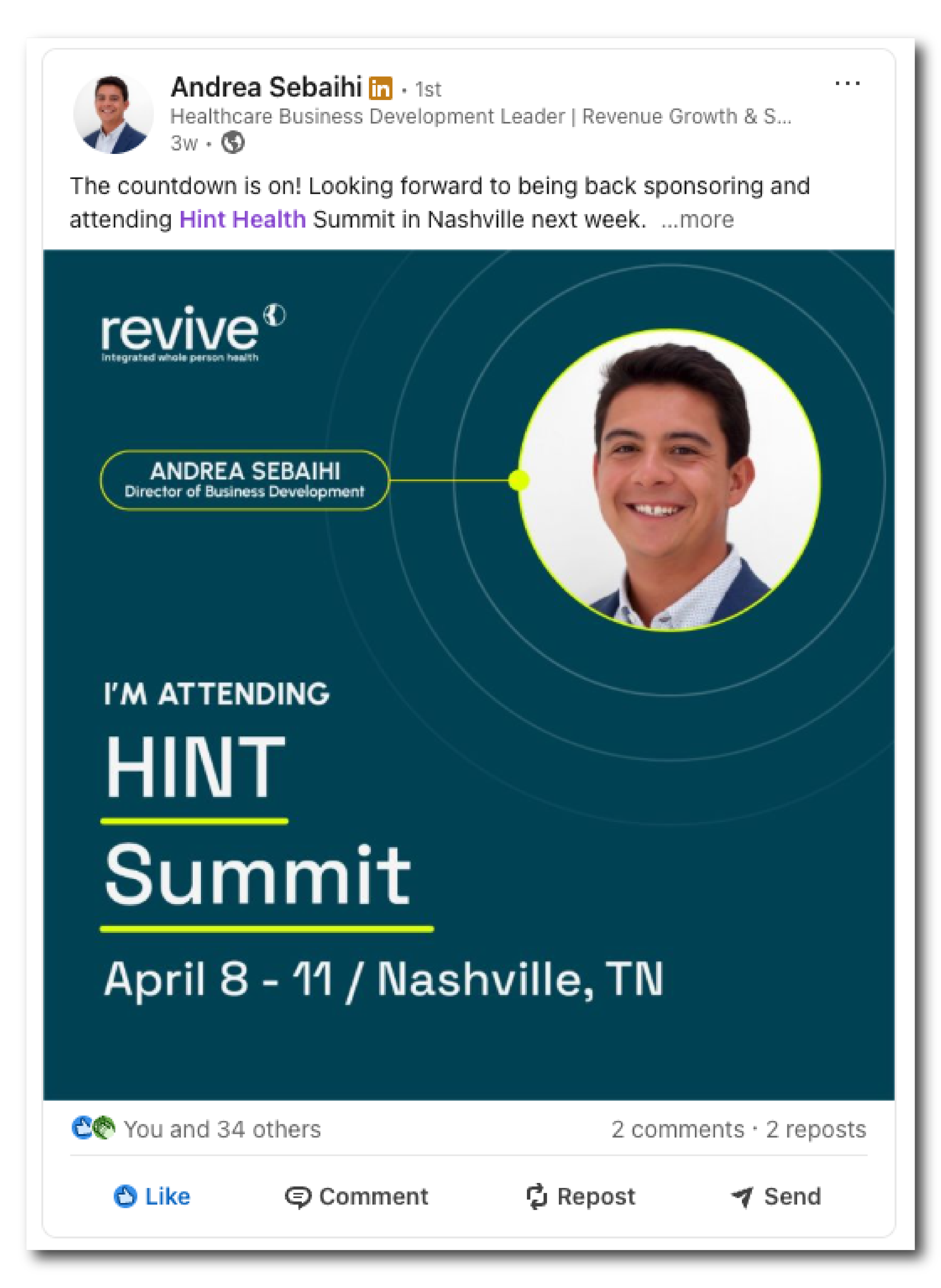
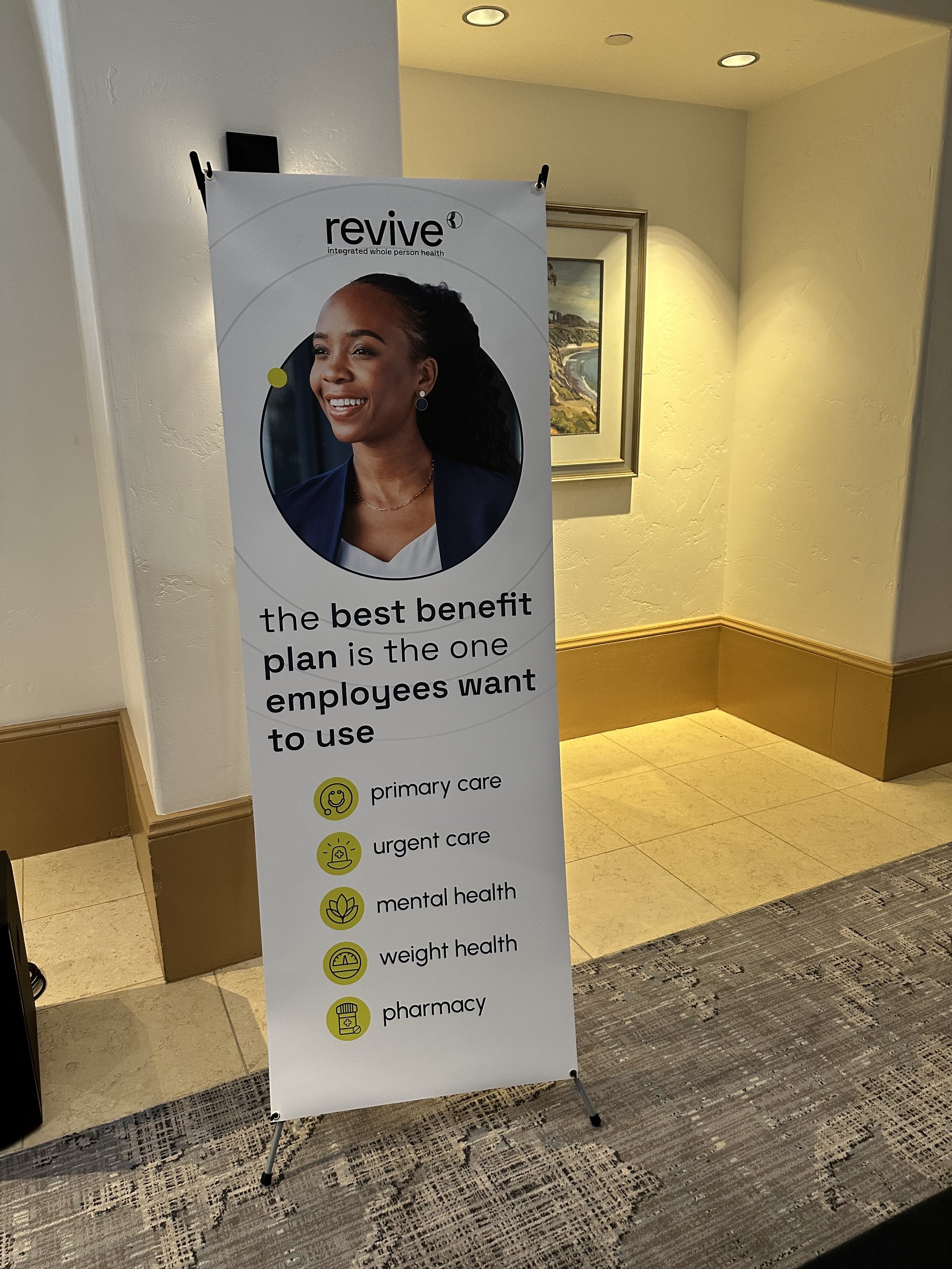
Deployed across marketing, sales, and customer success — every asset mapped to a moment in the story, every graphic element doing a specific job.

what this solved

  • faster

    Asset production across all three teams — no more starting from scratch on every deliverable

  • unified

    One visual language embedded across marketing, sales, and customer success

  • intentional

    Color distinction between member and employer audiences built into the system itself

  • Scalable

    Designed to extend into UX and product as Revive One unifies the brands